

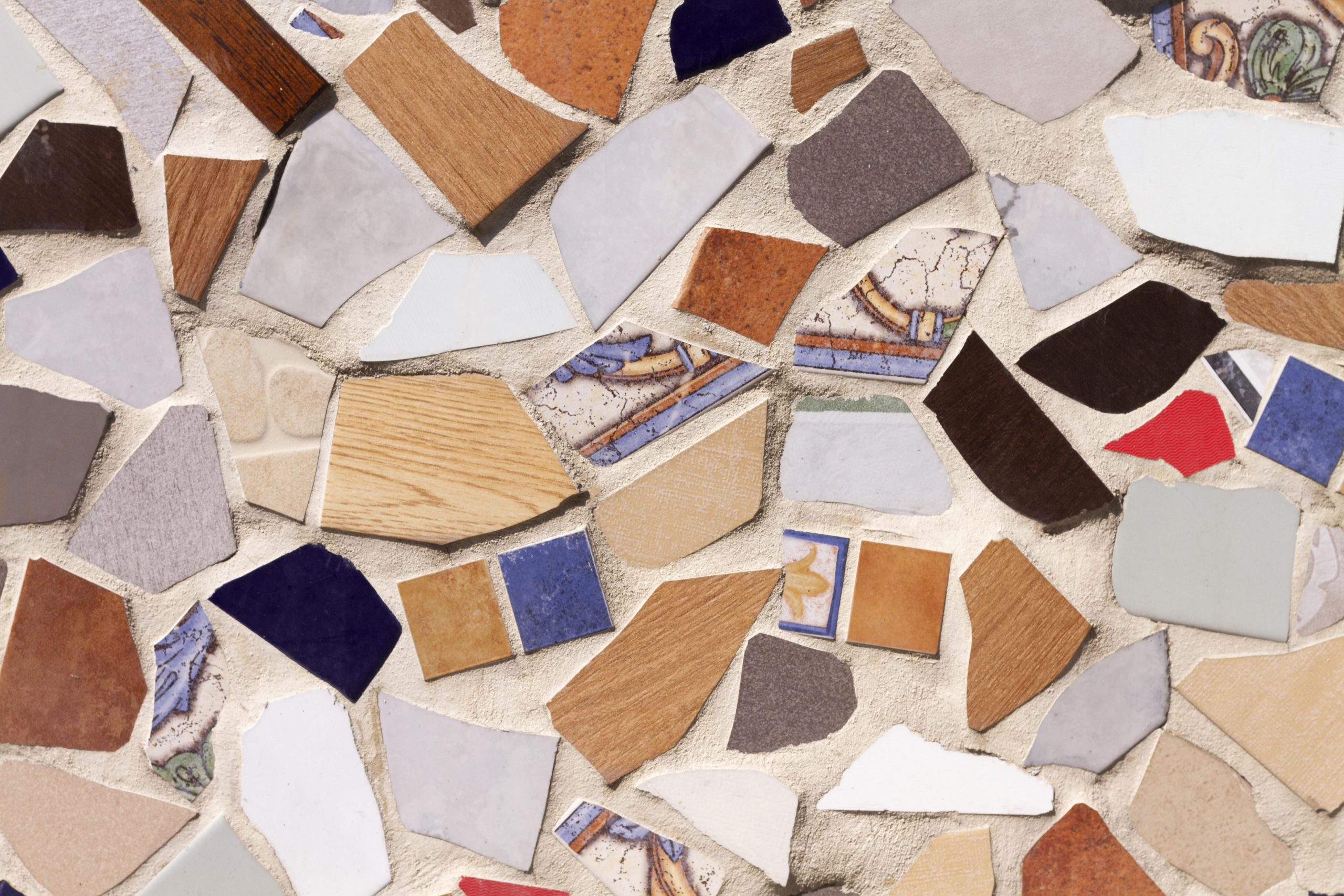
Málaga is a province that knows how to blend the old with the new, the rural with the urban, the visual with the symbolic. In its towns and cities, art isn’t just found in museums or galleries: it also adorns facades, squares, and streets. Beyond graffiti or contemporary urban art, there’s a type of artistic intervention that forms part of Andalusia’s visual identity: ceramic murals.
These hand-painted tile panels, many featuring religious motifs, scenes of daily life, poetry, or historical references, decorate the facades of houses, churches, and public buildings. Some date back centuries, while others are contemporary pieces inspired by tradition. Most go unnoticed by the casual observer, but they deserve to be observed calmly and attentively. By car, it’s possible to plan a route through the province that allows you to discover these ceramic gems in the open air.
Next, we propose a tour of some of the towns and cities where seeing ceramic murals in Malaga is an artistic, cultural and deeply local experience.
Ojén: ceramic art with a woman’s voice
Ojén, nestled in the heart of the Sierra de las Nieves mountain range, is one of the towns that has embraced ceramics as a tool for remembrance and cultural affirmation. Through a series of ceramic murals installed throughout the town, a tribute is paid to anonymous women who played a vital role in the town’s everyday history. Each mural includes texts, portraits, and scenes of local customs created by local ceramic artists.
Furthermore, the natural surroundings and the white architecture of Ojén make this town a perfect place to stop, stroll calmly and enjoy this walking route after leaving the car in one of the designated parking areas.
Estepona: an open-air museum also in ceramics
Although best known for its route of large-format contemporary murals, Estepona also preserves and promotes ceramic art in public spaces. Within its renovated old town, decorative ceramic plaques abound, featuring fragments of poetry, seascapes, religious references, and historical portraits. The Plaza de las Flores, Calle Real, and many hidden corners serve as canvases for these pieces that combine art and words.
The visit can be complemented with a stroll along the seafront promenade, where you will also find decorative ceramics on benches, fountains and children’s play areas.
Frigiliana: ceramics as a narrative of identity
In the Axarquía region, Frigiliana is probably one of the towns where ceramics play the most symbolic role. In its historic center, declared a Historic-Artistic Site, there is a route of ceramic murals that tell the story of the coexistence of Christian, Jewish, and Muslim cultures during the medieval period.
Each mural, installed on the facades of the Moorish quarter, tells a fragment of this shared history, with illustrations, calligraphy, and symbols that transform a simple walk into a living history lesson. Frigiliana is also one of the most beautiful villages in Spain and a must-see on any tour of the province.
Vélez-Málaga: devotion, history and ceramic tradition
The capital of the Axarquía region combines religious tradition and ceramic art in numerous locations throughout its historic center. Many facades, especially in the Villa neighborhood, feature ceramic murals depicting virgins, saints, or scenes from local processions, rendered in a detailed and traditional pictorial style.
These murals are not isolated decorative elements, but rather part of a visual culture that keeps popular religiosity and domestic devotion alive. There are also commemorative ceramic plaques that recall historical events or illustrious figures from the municipality.
Mijas Pueblo: living ceramics in every corner
Another must-see on this route is Mijas Pueblo, where ceramics are an integral part of the street furniture. Benches, lampposts, signs, fountains, flowerpots, and decorative murals are all made or decorated with hand-painted tiles. Although there is a certain tourist focus, many of these pieces are made by local artists using traditional techniques.
At the cultural center or in the artisan workshops, you can even watch the creation process of these pieces or purchase a ceramic work as a souvenir. Parking in Mijas is easy, and the town is well-equipped to receive visitors without requiring long walks.
How to plan your route through the ceramic murals of Malaga
Having a car will allow you to design a flexible route through the province, easily connecting several towns in a single day or spreading the experience over a weekend. You can alternate visits to murals with gastronomic stops, natural viewpoints, or local markets, making the journey as interesting as the destination.
Ceramics, as a visual language, are one of the most enduring expressions of Malaga’s identity. Observing them in their context, affixed to the walls and facing the passersby, is a way to reconnect with the local, with craftsmanship, and with what remains.