

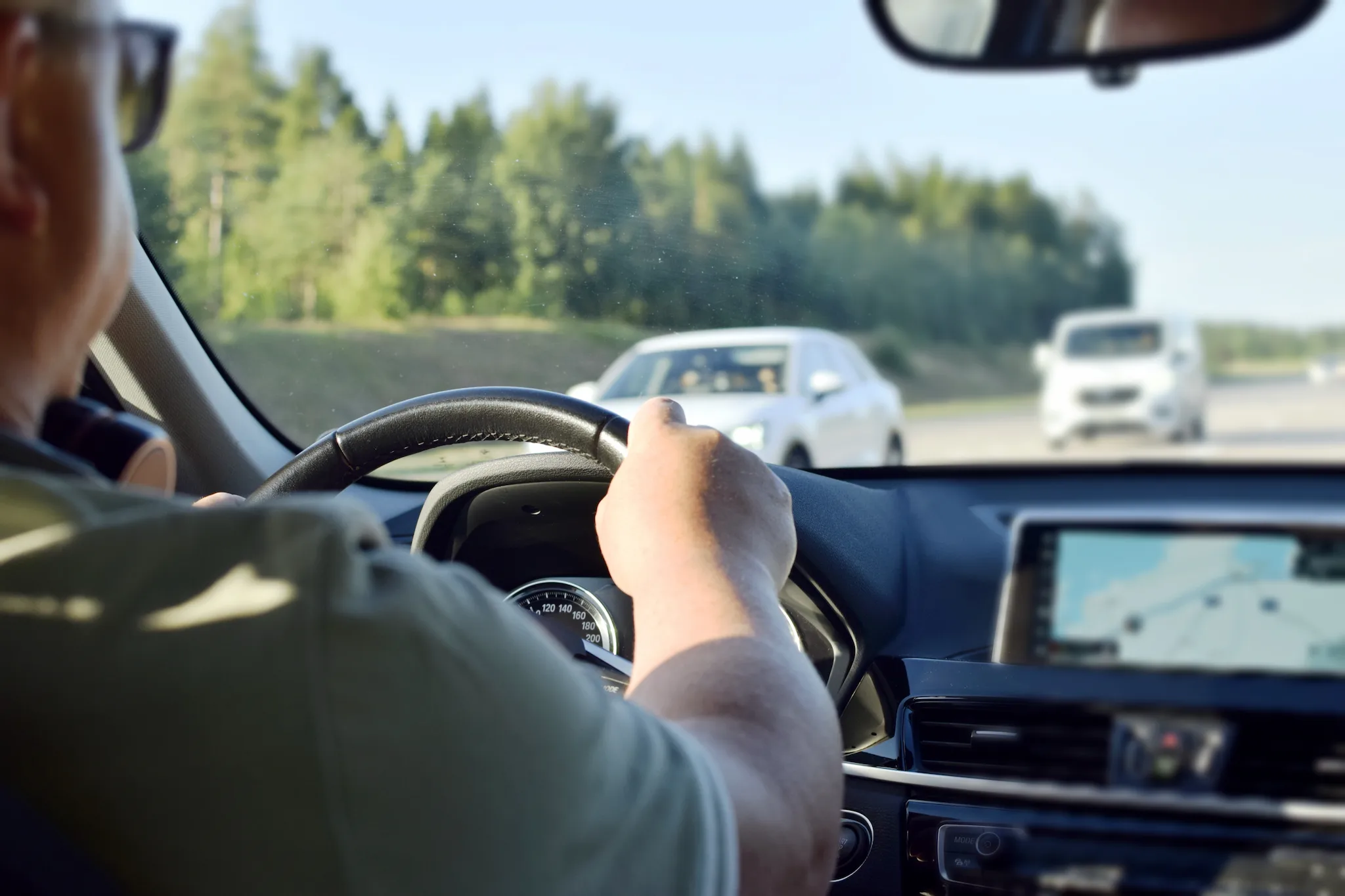
When planning to travel to another country and hire a car, it is essential to familiarise yourself with the differences in driving regulations to ensure your safety and comply with local laws. In this post, we explore the main differences in driving between Spain, the United Kingdom and Germany. Knowing these variations can make the difference between a smooth journey and one full of mishaps.
1. Roadside and steering wheel:
One of the most significant differences is the side of the road on which traffic drives:
- United Kingdom: In the United Kingdom, traffic drives on the left side of the road, which means that vehicles have the steering wheel on the right. If you are a driver accustomed to driving on the right, it may take some time to adjust to this peculiarity.
- Spain and Germany: In these two countries, people drive on the right-hand side of the road and vehicles have the steering wheel on the left, which is more familiar to those who have already driven in other European and American countries.
It is important to bear this in mind when hiring a car in any of these destinations, especially if you opt for a right-hand drive vehicle in the UK. If you are not used to it, it may be helpful to practise in quiet areas before venturing out onto busier roads.
2. Speed limits:
Speed limits are another crucial aspect to consider:
- Spain: On motorways and dual carriageways, the speed limit is generally 120 km/h, although it may vary depending on the specific signs on each section.
- United Kingdom: On British motorways, the speed limit is 70 mph (approximately 112 km/h), which is slightly lower than the limit in Spain.
- Germany: One of the most notable features here is that certain sections of the motorways (Autobahn) have no speed limit. However, it is recommended not to exceed 130 km/h in areas without established limits, as safety is a priority. On other types of roads, the limits are similar to those in Spain.
Always remember to check local traffic signs, as limits may vary depending on the road and traffic conditions.
3. Alcohol consumption and mobile phone rules:
Road safety is a priority in all these countries, and laws relating to alcohol and mobile phone use are very strict:
- Spain: The permitted blood alcohol limit is 0.5 grams per litre. On 10 October 2024, the Congress of Deputies approved a proposal to reduce the blood alcohol limit to 0.20 grams per litre, which will come into force in 2025. In addition, the use of mobile phones while driving is prohibited, unless you use a hands-free system.
- United Kingdom: The alcohol limit is higher in the United Kingdom, at 0.8 grams per litre. However, as in Spain, the use of mobile phones is prohibited without a hands-free device.
- Germany: As in Spain, the blood alcohol limit is 0.5 grams per litre. In all these countries, using a mobile phone without a hands-free device can result in fines and penalties.
It is advisable not to consume alcohol if you plan to drive, as the effects can vary and it is always best to err on the side of caution.
4. Priority at intersections:
- United Kingdom: At British roundabouts, vehicles entering the roundabout have priority, which can be an important difference if you are used to the traffic rules in Spain or Germany.
- Spain and Germany: In these two countries, vehicles inside the roundabout generally have priority.
It is important to familiarise yourself with this rule before driving, as roundabouts are quite common in European cities.
5. Fines and penalties:
Penalties for traffic offences also vary between these countries:
- Spain: Fines can vary considerably depending on the offence, and some serious offences, such as speeding, can result in substantial financial penalties. In addition, depending on the offence, the number of points lost on your driving licence also varies.
- United Kingdom and Germany: In both countries, fines tend to be stricter, and in addition to paying a fine, as in Spain, you may face losing points on your driving licence, which could affect your ability to drive in the future.
6. Driving licence:
It is important to note that driving licence regulations may vary:
- Spain: Obtained at the age of 18 and after passing the examination, the driving licence is valid for 10 years.
- United Kingdom: The process of obtaining a driving licence can be more rigorous and costly, with a series of requirements to pass both the theory and practical tests.
- Germany: Similar to the United Kingdom, the process for obtaining a driving licence is more stringent in terms of training and costs.
If you are a foreigner and plan to drive in one of these countries, make sure that your licence is recognised or that you have the necessary documentation to legally hire a car.
7. Use of the horn:
- United Kingdom: The use of the horn is restricted to emergency situations or to prevent accidents. It is unusual to see drivers using their horns unnecessarily.
- Spain and Germany: The use of the horn is similar, with a slight difference in Spain, where it is sometimes more common in heavy traffic situations, although it is still regulated.
Hiring a car in international destinations such as Spain, the United Kingdom or Germany can be an incredible experience if you are well prepared for the differences in traffic regulations. From speed limits to right of way rules and mobile phone use, each country has its own peculiarities. Therefore, before travelling, we recommend that you find out about local regulations so that you can drive safely.
At Yellow Car, we are committed to offering you the best car hire service for exploring Spain’s roads. Book your car with us and travel with peace of mind.